





Successful solar generation in the historic environment
With listed buildings and historic sites needing to adapt for positive climate action, achieving consent and managing risk depends on understanding each site in detail.

|
| A solar array on the South Quire of York Minster (Photo: Morwenna Slade) |
The UK’s historic built environment stands testament to sustainable, often innovative, and resilient adaptation through the ages. That solar generation can be successfully installed on historic and listed buildings has been proven, but as we see greater numbers of installations, we need to consider the implications for asset management, maintenance and fire safety. These broader, longer-term considerations go beyond the visual and aesthetic impact balanced with significance and should be addressed to ensure a truly successful and sustainable approach that supports the continued use and care of our heritage.
In a critical step towards busting the myths that surround sensitively and successfully adapting our listed buildings, a swath of new advice and guidance has been published by Historic England, CADW and Historic Environment Scotland, highlighting how listed buildings can and should evolve to actively contribute to positive climate action. Aimed at a professional and technical audience, the guidance supports professionals and owners alike to competently assess the most impactful measures for individual buildings and meet their requirements.
It is important, however, for heritage professionals not to assume that one mitigation or adaptation measure fits all situations. Solar panels are, perhaps, one of the most hotly contested mitigation measures used within the historic built environment, with good arguments for and against played out over some of our most iconic buildings. York minister, King’s College Chapel and Gloucester Cathedral have all completed installations in the last few years, yet despite these high-profile examples, this does not mean that panels are the right approach for every building. The inclusion of solar generation into a historic site should be assessed on a case-by-case basis to ensure that they are part of an integrated and whole-building approach.
Photovoltaic (PV) systems generate power by converting sunlight directly into electricity. This can be used at the point of generation or exported to the national grid. This form of renewable electricity is part of the range of options to meet net-zero targets and is often a productive way to reduce a building’s overall energy costs. The system’s performance can be reduced by factors such as intermittent shading, the build-up of dirt and dust, and high temperatures.
There are a range of different products that have been utilised within the historic environment, from panels that sit above the existing roof covering to solar slates incorporated within the roof and solar film which coats the roof. These three examples of the technology have all be used within the precinct of York Minster to achieve a balance between the visual impact and achieving renewable generation. The solar slates were employed on the rectory building and the solar film on the new Stone Yard building. The array on the minister is currently outperforming the manufacturer’s forecast. The South Quire transept is now regularly producing 80 per cent of the minster’s power at peak daylight hours. This will shift the return on investment from nearly eight years to under four years.
Although installing on-site renewable energy generation is a measure to reduce the overall impacts of the built environment, contributing to lower running costs, it is not without wider environmental impacts associated with production, installation, and end-of-life removal and recycling. The value of a high-quality feasibility study is central to ensuring that this is the best option for a site. Reducing demand and increasing efficiency will both deliver cost and comfort benefits and, if PV is installed, increase the overall contribution it can make.
The significance of assets should be properly assessed to determine the impact of the installation and evaluate potential harm before seeking permission. The visual impact of PV installations is only one way that they can potentially harm the significance of a listed building. The physical impact on the building is of particular importance, including the type of roof covering and the need for access for maintenance and removal at the end of the installation’s operational lifespan. Where installations would require fixing directly into historic fabric, such as medieval roof timbers, alternative solutions may need to be considered.
Many historic buildings are unique, and their structural tolerance should be carefully assessed by a structural engineer with experience of listed and historic structures. In the case of roof-mounted installations it is necessary to consider additional wind, snow and static loading, and the potential impacts on existing fabric. The increasing impacts of climate change and potential increased numbers of high winds and storm events in particular locations should be considered. There were seven named storms in 2023–24, and the wettest 18 months on record in 2024–25. Inspecting for damage after storm events is essential.
Historic buildings and sites are often rich habitats for flora and fauna. Both bats and birds are protected by law, and it is important to consider potentially negative impact of works, the disturbance they may cause and the long-term implications for maintenance requirements, particularly around nesting birds. Seagulls and pigeons can pose a particular problem when they use panels to shelter and nest and limit access to roofs during the nesting season. Bird guards are an important part of the specification, and it is critical to consider the need for cleaning and care of the installation. Solar installations can also have an impact on bats, particularly by changing temperatures for roosting and blocking access points. There is currently a knowledge gap around the wider impact of installations on bats, but with increasing summer temperatures and extreme weather events, both positive and negative impacts are likely.
Along with ensuring that the building remains wind and watertight, ensuring energy efficiency and care of historic fabric, maintenance is an important part of managing the fire risk of PV installations. No system is maintenance-free, although this has been a common statement about PV. Insurance companies are becoming increasingly concerned with the incidence of fire, citing improper installation and lack of maintenance as the primary causes. Roof-top installations, like any electrical system, need regular inspection, but given their location, they can be more vulnerable to storm damage, damage from birds, leaves and other debris collecting on the surface and cabling. It is also important to undertake regular maintenance of the building fabric around the installation.
In the case of listed buildings, the potential loss of culturally important fabric should be taken into consideration. The team at York Minster, for example, worked very closely at the planning pre-app stage with North Yorkshire Fire and Rescue and their insurers, EIG, to explore and implement the latest fire safety measures, and to develop an emergency response plan in the event of fire breaking out.
In 2022, the Grade II-listed museum We the Curious in central Bristol suffered a significant fire originating from the rooftop PV array, causing millions of pounds worth of damage. The following statement was given on the museum’s website: ‘The evidence indicates that damage to the photovoltaic solar panels was most likely caused by birds, which caused a fault in the electrical system. This then resulted in a fire spreading to the roof… We’ve sustained some significant fire and water damage to the roof, our second floor and our building systems.’ The museum was closed for two years, reopening in 2024.
Historic England recommends that a fire-risk assessment be undertaken for PV installations on listed buildings early in the design phases. It suggests that the following are identified: potential fire hazards; people and property at risk; existing fire safety measures; appropriate mitigation measures; firefighting strategy; and main isolation switch to cut off the supply from the system and local isolation, where required.
Cleaning solar panels is an essential maintenance task that should be undertaken every 12–18 months. Dirt and dust reduce the amount of sunlight that can hit the panels, so cleaning is essential to maximise generation and efficiency. Many panels claim to be self-cleaning, but this is not really the case, as with any roof surface dust, dirt, lichens and pollen build up over time, especially in drier locations. If access to the array is restricted or expensive, this should be taken into consideration and seen as a potential risk. York Minster has installed an access safe system and implemented a quarterly cleaning regimen for the 180 panels on the minster. This level of care may not be possible to achieve in many cases, especially where budgets are limited or access is complex.
Listed buildings and historic sites can and should evolve to accommodate modern requirements and adapt for positive climate action, but success lies in understanding the individual detail of these sites. Taking a holistic approach, considering positive and negative impacts, and ensuring the long-term costs and maintenance requirements of new installations are fully understood and scoped, will ensure that consent is achieved, risk is managed, and our heritage continues to benefit future generations.
This article originally appeared in the Institute of Historic Building Conservation’s (IHBC’s) Context 184, published in September 2025. It was written by Morwenna Slade, a building surveyor and visiting professor at the University of the West of England. She specialises in historic building conservation, defect diagnosis, climate-change resilience and adaptation.
--Institute of Historic Building Conservation
Related articles on Designing Buildings Conservation.
IHBC NewsBlog
IHBC sponsors Gardens Trust event 23-4 Sept 2026
.jpeg)
'Learning from the Past, Shaping the Future’ takes place in Milton Keynes
Renovations to Frank Lloyd Wright's Fallingwater complete
.jpg)
World Heritage Preserved project opens house for tours again
Shakespeare Birthplace Trust places Hall's Croft on HAR Register
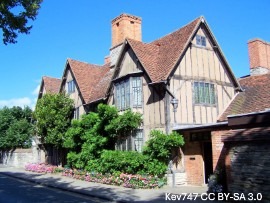
Stratford-upon-Avon home of Shakespeare's daughter is 'At Risk'
Lady Grange’s House repaired on St Kilda
.jpg)
National Trust for Scotland repairs stone cleit with link to famous island resident
Griff Rhys Jones on BBC Radio 4 Today programme
,_Green_Lane,_Derby.jpg)
The Victorian Society’s President unveiled its latest Top Ten Endangered Buildings 2026.
Need a MATE? Book your place now.

IHBC offers free webinars on applying for IHBC accreditation (Full & Associate).
UK Stained Glass Repository finds windows new homes
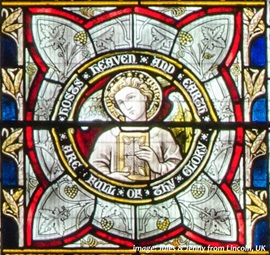
How are stained glass windows are rescued, stored and repurposed?
APPGEBE report sets high aims for quality
'Government must not sacrifice quality in drive to build 1.5m homes'
New measures protect Historic Shipwrecks from heritage crime

Underwater cultural heritage benefits from new HE guidance
How could the City of London skyline look in 6 years' time?

Visualisation shows approved planning applications as completed buildings
National Trust for Scotland calls for VAT cuts
Heritage neglect is encouraged by current policies
IHBC's 'Context' Issue 186 features Industrial Heritage

IHBC's members' journal reports on the challenges of conserving infrastructure
Book now for IHBC Annual School 2026
IHBC Annual School is taking place 18-20 June 2026 in Newcastle
RICHeS Research Infrastructure offers ‘Full Access Fund Call’
RICHeS offers a ‘Help’ webinar on 11 March
Latest IHBC Issue of Context features Roofing
Articles range from slate to pitched roofs, and carbon impact to solar generation to roofscapes
Three reasons not to demolish Edinburgh’s Argyle House

Should 'Edinburgh's ugliest building' be saved?
IHBC’s 2025 Parliamentary Briefing...from Crafts in Crisis to Rubbish Retrofit
IHBC launches research-led ‘5 Commitments to Help Heritage Skills in Conservation’
How RDSAP 10.2 impacts EPC assessments in traditional buildings

Energy performance certificates (EPCs) tell us how energy efficient our buildings are, but the way these certificates are generated has changed.